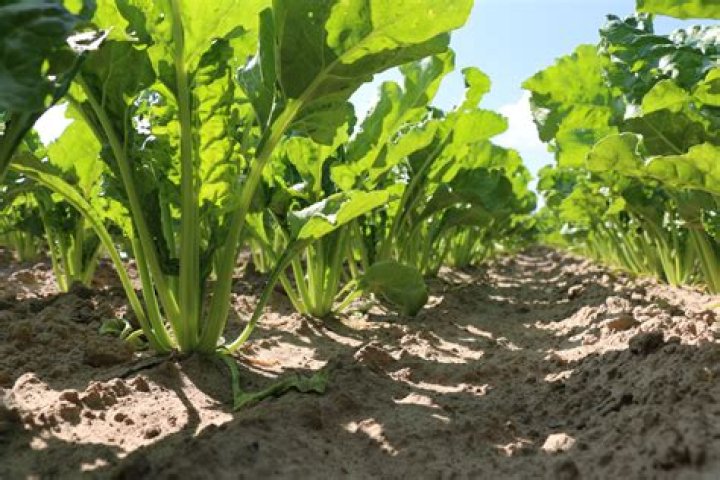
What is permanent farming?
A permanent farm is a farm, where you crop every year continuously and forever without shifting to another farm.
How was farming done before the Industrial Revolution?
These new processes in turn created a decline in both the intensity of the work and the number of agricultural laborers needed. Because of the decline in need for agricultural workers, many worked industrial jobs, further fueling the Industrial Revolution.
What were some early farming methods?
In the process, they developed adaptations to maintain soils, ward off frost and freeze cycles, and protect their crops from animals.
- Chinampa Wetland Farming.
- Raised Fields Agriculture.
- Mixed Cropping.
- The Three Sisters.
- Ancient Farming Technique: Slash and Burn Agriculture.
- Viking Age Landnám.
- Core Concept: Horticulture.
How did farming change during the Industrial Revolution?
The Agricultural Revolution of the 18th century paved the way for the Industrial Revolution in Britain. New farming techniques and improved livestock breeding led to amplified food production. This allowed a spike in population and increased health. The new farming techniques also led to an enclosure movement.
What are the two types of permanent agriculture?
Agriculture is divided into two different types, including industrialized agriculture and subsistence agriculture.
What are the example of permanent crops?
By definition, permanent crop is one produced from plants which last for many seasons, rather than being replanted after each harvest. Permanent crops are perennial trees, bushes or vine crops like citrus, apples, blueberries, nuts or grapes.
What was farming like in the 1700s?
Colonial farmers grew a wide variety of crops depending on where they lived. Popular crops included wheat, corn, barley, oats, tobacco, and rice. Were there slaves on the farm? The first settlers didn’t own slaves, but, by the early 1700s, it was the slaves who worked the fields of large plantations.
What was life before the agricultural revolution How did farming change people’s lives?
Before farming, people lived by hunting wild animals and gathering wild plants. When supplies ran out, these hunter-gatherers moved on. Farming meant that people did not need to travel to find food. Instead, they began to live in settled communities, and grew crops or raised animals on nearby land.
Which type of farming still used ancient methods?
5 Traditional Farming Methods That Are Still Popular Today
- Agro forestry. Agro forestry is one of the oldest farming methods that has been used since earlier times.
- Crop rotation. Crop rotation concept was founded by world’s renowned environmentalist Dr.
- Intercropping/Mixed crops.
- Poly culture.
- Water harvesting.
How did people farm before machines?
Before tractors, farmers worked their fields by relying on their own strength — or that of oxen, horses and mules. The advent of the first portable steam engines ushered farming into the modern age.
What are the examples of permanent crops?
What are perennial crops?
Perennial crops are crops which completes their life cycle or harvesting time period in more two years after planting. Perennial crops are mainly tree crops. So going into plantation farming, you need a very large space or hectares of land.
What was the agriculture like before the Industrial Revolution?
Farming before the industrial revolution was traditional open-field farming which was based on subsistence farming. This meant that villagers would only produce enough food to satisfy the basic needs of the community which consisted of peasants or tenants of the landowner.
Are We a pre-industrial or post-industrial society?
In other words, we’ve become rather post-industrial. Pre-industrial is defined as the time before industrialization. During this time period, most economic activity took place at the subsistence level, in which goods are produced for the consumption and survival of one’s family group.
What was life like during the pre-industrial age?
When speaking of economies, most activity during the pre-industrial age existed at the subsistence level, in which goods are produced for the consumption and survival of one’s family group. In this subsistence lifestyle, most goods were produced by the family for the family.
How did the invention of farming machines and techniques change agriculture?
Farming machines and techniques developed making farming quicker, more efficient and reduced cost to the farmers through reducing the number of laborers. Enclosures ultimately gave farmers more control over the farming land and diseases couldn’t spread as easily.